
Short-term rentals have become a routine part of travel throughout California, offering everything from beachfront homes and mountain cabins to luxury apartments in major cities. However, when a guest is injured because of unsafe property conditions, the legal process is often more complex than a typical premises liability claim. Questions surrounding property ownership, host responsibilities, insurance coverage, and liability can make these cases particularly challenging.
If you were injured at an Airbnb or other short-term rental because the property owner, host, property manager, or another responsible party failed to maintain the premises in a reasonably safe condition, you may be entitled to compensation under California law. Davana’s experienced personal injury attorneys in Los Angeles represent individuals in premises liability claims involving unsafe short-term rental properties, including cases involving hazardous conditions, negligent maintenance, inadequate security, and disputed liability. If you’ve been hurt at an Airbnb or other vacation rental in Southern California, call (818) 501-1055 to schedule your free case evaluation.
Below, we explain what to do if you’re injured at an Airbnb or other short-term rental in California.
1. Seek Medical Attention and Create a Record of Your Injuries
Your health should always take priority after an accident, even if your injuries initially seem minor. A fall on a poorly maintained staircase, a balcony collapse, a defective pool gate, an electrical shock from improperly installed equipment, or exposure to carbon monoxide may cause injuries that are not immediately obvious. In fact, traumatic brain injuries (including concussions), spinal injuries, internal bleeding, and soft tissue damage frequently worsen in the hours or days following an incident.
Medical records also serve another important purpose. Because Airbnb injury claims often involve disputes regarding when, where, and how an injury occurred, prompt treatment creates documentation that directly connects the incident to the resulting harm. Consequently, emergency room records, physician evaluations, diagnostic imaging, and follow-up treatment notes can become critical evidence if a claim later arises.
2. Document the Hazard Before It Disappears
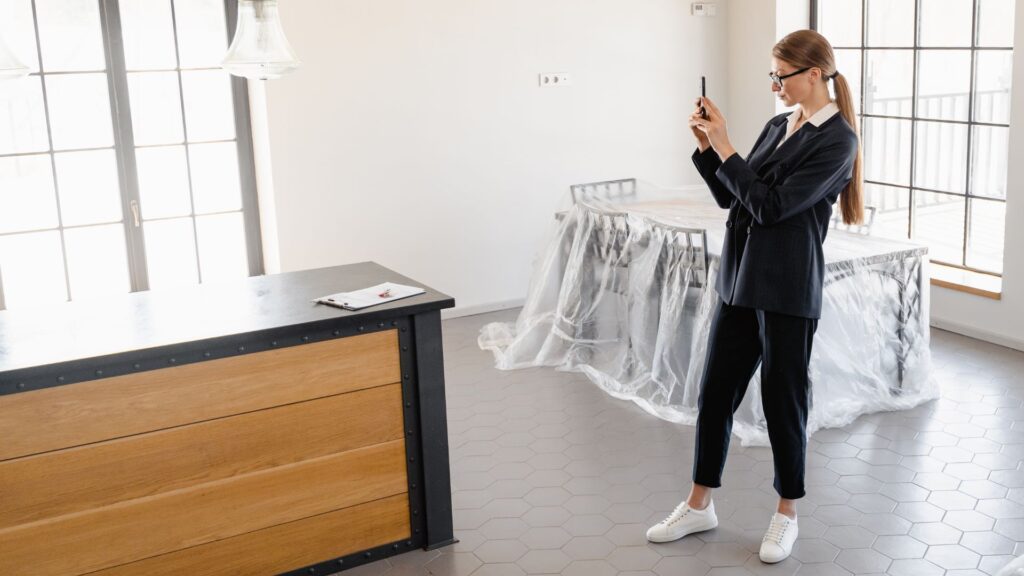
Unlike many commercial properties, short-term rentals often change occupants within days or even hours after an incident occurs. As a result, dangerous conditions may be repaired, altered, or removed before investigators have an opportunity to examine them. Evidence that seems obvious immediately after an accident can quickly disappear once the property owner becomes aware of a potential claim.
For that reason, photographs and videos should be collected whenever possible. A loose handrail, damaged deck boards, uneven flooring, inadequate lighting, malfunctioning smart locks, exposed wiring, defective pool barriers, or other hazardous conditions should be thoroughly documented. Additionally, guests should preserve screenshots of the Airbnb listing, booking information, host communications, and any messages discussing the condition of the property, as these materials may help establish what the host, owner, or property manager knew or reasonably should have known before the injury occurred.
3. Report the Incident to the Host and Airbnb
Once your immediate medical needs have been addressed and the hazardous condition has been documented, report the incident to both the property host and Airbnb as soon as reasonably possible. Keep copies of all written communications, including messages exchanged through the Airbnb platform, emails, and any incident reports. While reporting the accident is important, avoid speculating about fault, minimizing your injuries, or accepting an early settlement offer before understanding your legal rights. These communications may later become evidence if a personal injury claim arises.
4. Determine Who May Be Legally Responsible
Liability in an Airbnb injury case is not always limited to the host. Under California Civil Code § 1714, property owners and occupiers generally owe a duty to exercise reasonable care in maintaining their premises and preventing foreseeable harm. However, modern short-term rentals often involve multiple parties who share responsibility for the property’s condition.
Depending on the circumstances, liability may extend to a property management company, maintenance contractor, cleaning service, homeowner, business entity that owns the property, or another third party responsible for inspections and repairs. For example, if a guest suffers injuries after a deck collapses because a contractor performed negligent repairs or inspections, responsibility may extend beyond the host alone. A thorough investigation is often required before determining which parties should be held accountable for the resulting damages.
5. Understand How Airbnb Insurance and California Law May Affect Your Claim
Many guests assume Airbnb automatically pays for injuries that occur at a rental property. In reality, insurance coverage and legal liability are separate issues. Airbnb provides liability protection for hosts in certain situations, but insurance coverage does not automatically establish fault or guarantee compensation for an injured guest. Instead, liability must still be evaluated based on the facts surrounding the incident and the conduct of the parties involved.
New California law also introduces additional considerations. Under the state’s comparative negligence system, compensation may be reduced if an injured person is found partially responsible for the accident. Plus, California generally imposes a two-year statute of limitations for personal injury claims, meaning delays can jeopardize an individual’s ability to pursue recovery. Because evidence can disappear quickly and insurance carriers often begin investigating immediately after a claim is reported, early action frequently places injured guests in a stronger position as the case progresses.
Personal Injury Lawyer for Short-Term Rental Accidents Near Los Angeles
An injury at an Airbnb or other short-term rental can raise legal issues that extend far beyond a typical premises liability claim. Located in Encino, the personal injury lawyers at Davana Law help injured individuals throughout California investigate liability, preserve critical evidence, negotiate with insurance companies, and pursue the compensation they deserve. To schedule a free case evaluation, call (818) 501-1055.