
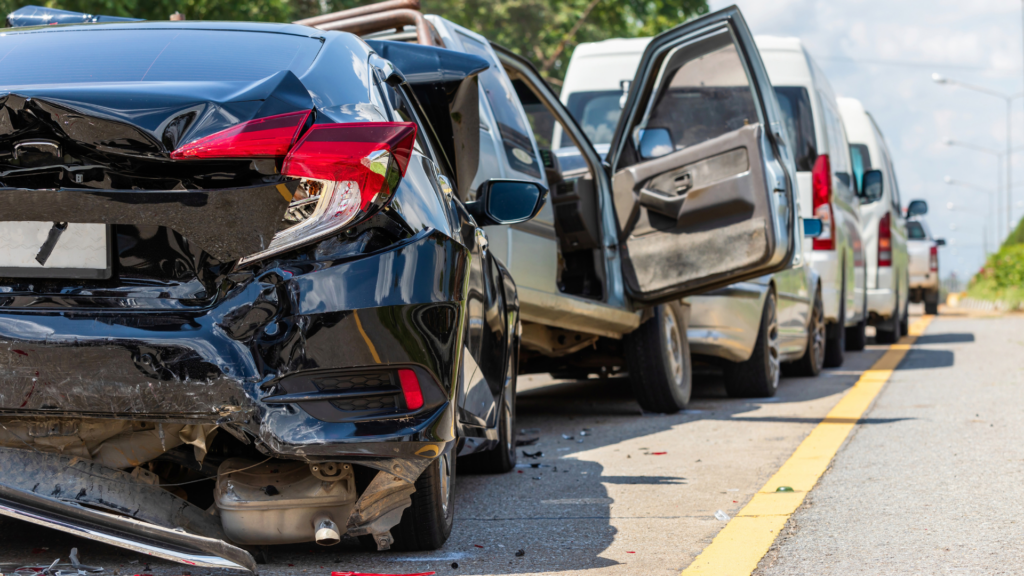
In a multi-car pileup, the car that hit you may not belong to the driver who caused the crash. One driver may set off the chain reaction, another may make it worse by following too closely, and others may be struck with no time to react. Sorting out who is responsible for what can feel overwhelming, especially while you’re trying to heal.
If you or someone you love was injured in a pileup caused by someone else’s negligence, Davana Law Firm’s car accident lawyers in Los Angeles can help you navigate the legal process and pursue the compensation you deserve.
Below, we explain how fault is determined in a multi-car accident in California and what it can mean for your claim.
1. Reconstruct the Sequence of the Pileup
The first collision provides an important starting point, but it rarely tells the entire story. Consider a driver who makes an unsafe lane change and forces another vehicle into stopped traffic; a vehicle farther behind might then strike the developing crash at highway speed. Both events belong to the same pileup, yet the conduct leading to each impact requires separate examination.
Investigators can compare physical damage with statements from the people involved to establish how the crash progressed. Photographs and video may clarify vehicle positions before an impact, while witnesses can provide information unavailable from the vehicles themselves. The California Department of Insurance recommends photographing the damage and the accident scene, including traffic controls and anything blocking drivers’ view. In a pileup, those details can help show which impact came first.
2. Determine When Multiple Drivers Share Fault
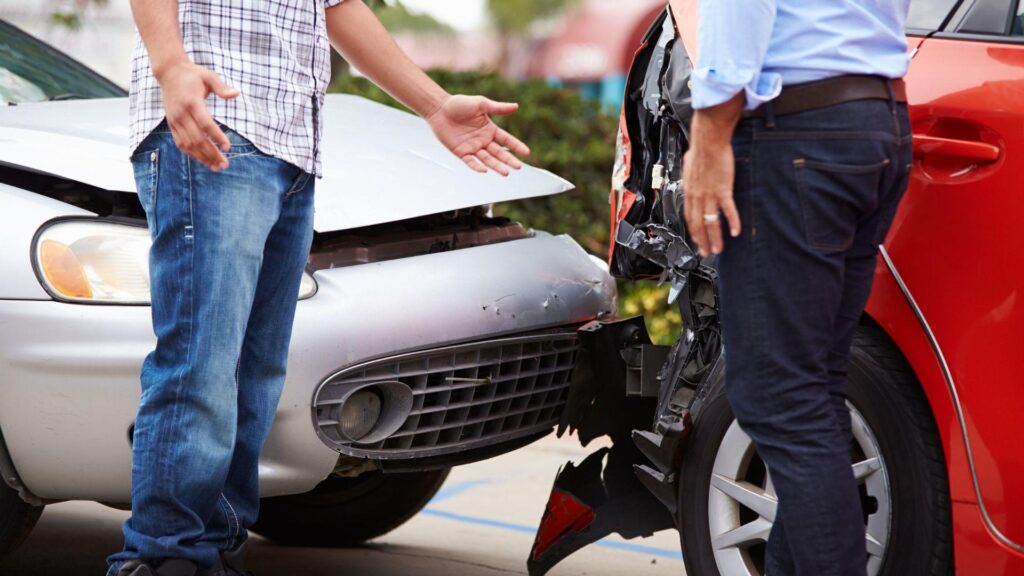
Responsibility does not necessarily rest with the driver who triggered the first collision. A second motorist may have contributed independently by speeding, following too closely, or reacting in a way that caused another impact. Note that California’s comparative-fault system allows responsibility to be divided when more than one party contributed to an injury.
As a result, fault in a multi-car accident may be expressed as percentages rather than assigned entirely to one person. If an injured plaintiff also contributed to the crash, California’s civil jury instructions direct that the plaintiff’s damages be reduced according to the percentage of responsibility attributed to that person. The central question therefore becomes how each person’s conduct contributed to the harm.
3. Separate One Impact From Another
In a pileup, you may be hit more than once. One car rear-ends you and pushes you into the vehicle ahead, and seconds later another driver strikes you from a different angle. Each impact may involve a different at-fault driver, and each may have contributed to different injuries.
That’s why identifying who started the chain reaction is only part of the picture. Prompt medical care and detailed records help connect specific injuries to specific impacts, which matters when several drivers and insurers are involved.
4. How Shared Fault Affects a Claim
Once the sequence is understood, the percentages assigned to each party can directly affect a personal injury claim. Under California’s pure comparative fault system, you can still recover compensation if you’re found partly responsible, with your recovery reduced by your share of fault.
When several drivers are at fault, each can generally be held liable for the full amount of your economic losses, like medical bills and lost wages, while non-economic damages, like pain and suffering, are divided by each party’s share of fault. This can make a real difference when one driver has little or no insurance.
Multiple responsible parties also introduce additional insurance policies and competing accounts of the crash. One insurer may accept its driver’s role in an initial collision while disputing responsibility for injuries associated with a later impact. A thorough investigation can help make sure each driver is held accountable for their part in the crash.
5. Understand How Insurers Assign Fault
Insurance companies conduct their own investigations after claims are reported. Plus, note that an insurer may request detailed information about the loss and take written or recorded statements. Other drivers and witnesses may also be contacted during the investigation.
In a multi-car crash, the adjuster must make sense of accounts that may differ considerably. Vehicle damage can provide context for the direction and severity of an impact, while photographs or video may challenge a driver’s version of events. California’s Department of Insurance even notes that police, insurers, or courts may determine comparative negligence and each driver’s share of responsibility. If you disagree with an insurer’s version of events, our attorneys can conduct an independent investigation and push back with evidence.
How to Protect Your Claim After a Pileup
- Get medical care right away and keep every follow-up appointment.
- Photograph the vehicles, the scene, and your injuries if you can do so safely.
- Collect names, contact details, and insurance information from every driver and witness you can.
- Ask other drivers whether they have dashcam footage.
- Talk to a lawyer before giving a recorded statement to another driver’s insurance company.
- Avoid admitting fault or guessing about what happened while the details are still unclear.
Frequently Asked Questions
What if one of the at-fault drivers was uninsured?
You may still have options. Other at-fault drivers can generally be held responsible for your full economic damages, and if you carry uninsured or underinsured motorist coverage, your own policy may help fill the gap. Learn how Davana Law recovered $60,000 for an underinsured motorist accident in Whittier, CA.
I was a passenger. Who can I file a claim against?
As a passenger, you can often pursue a claim against any driver who contributed to the crash, including the driver of the car you were riding in. Learn more about your rights as a passenger in a California car accident.
How long do I have to file a claim?
California generally allows two years from the date of the accident to file a personal injury lawsuit. If a government entity may be responsible, such as for a dangerous road condition, a claim may need to be filed within six months. Learn why it’s important to act quickly on a personal injury claim.
Speak With Davana’s Team of Experienced Car Accident Attorneys in California
If you were hurt in a pileup caused by someone else’s negligence, Davana Law Firm can help you get answers and pursue the compensation you deserve. Our attorneys specialize in complex car accident claims and will guide you through your case from start to finish. Call (818) 501-1055 or request a free case evaluation.